How Casino Names Shape Stories of Hà Giang
Casino names in Hà Giang can carry geography, memory and visual meaning. Learn to read them carefully and write captions that keep place and interpretation distinct.
What does a casino name in Hà Giang tell you about the place—and what might it leave unsaid? In writing about casino names in Hà Giang, the wording can point towards a border, a remembered route or an imagined scene, but it cannot establish a history by itself.
That distinction matters in an essay, museum label or photograph caption. A name is evidence of how a place is presented; connecting it to local history calls for other clues, such as a map, a dated document or an account with a clear source.
Names on the map
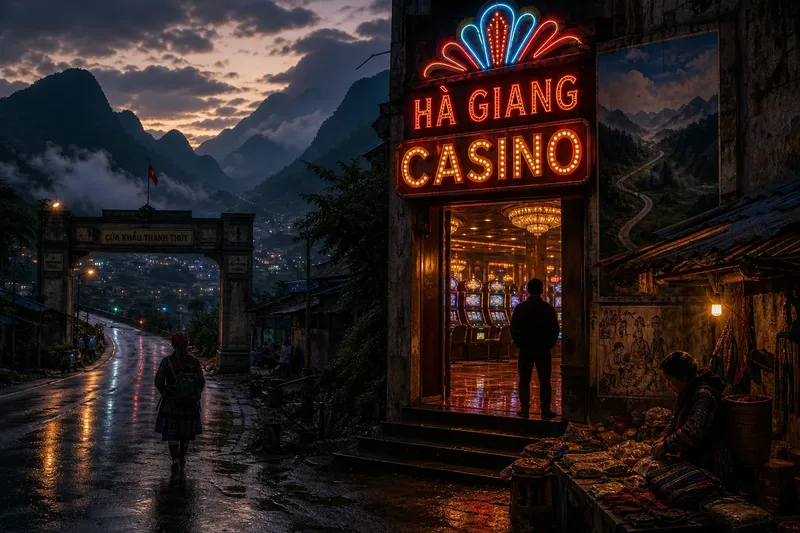
Hà Giang’s borderland setting gives place names a strong geographic charge. A casino name that invokes a pass, river, market or nearby settlement may invite readers to picture movement across the landscape, even when the venue itself is only one point within it.
Keep the layers separate. Record the name as it appears on a sign or in a document, identify the location as precisely as the source allows, and avoid treating a suggestive word as proof of an older route or local custom.
Memory in wording
A place name can carry memory through repetition: residents may recognise it from a neighbourhood, a landmark or a familiar direction. But a commercial name can also borrow the sound of local geography without explaining its relationship to that place.
In prose, phrases such as “named for” or “recalls” make different claims. Use “named for” only when a reliable source establishes the connection; “recalls” can describe a reader’s response, provided the sentence makes clear whose interpretation it is.
Images and captions
Photographs often bring a casino sign, road or mountain into the same frame. The image shows what the camera recorded from one position; it does not, by itself, reveal why the name was chosen or what viewers in the area associate with it.
A careful caption identifies visible details before offering interpretation. Mention the sign’s wording, the setting shown and any known date or location, then mark a symbolic reading as a reading rather than as a historical fact.
A caption checklist
- Check the name against the visible sign or a dependable document; if the spellings differ, state which version you are using and note the discrepancy, or hold the caption until the source is clearer.
- Check whether the location is confirmed; if it is, name the place supported by the source, and if it is not, describe only the visible setting without assigning a town or landmark.
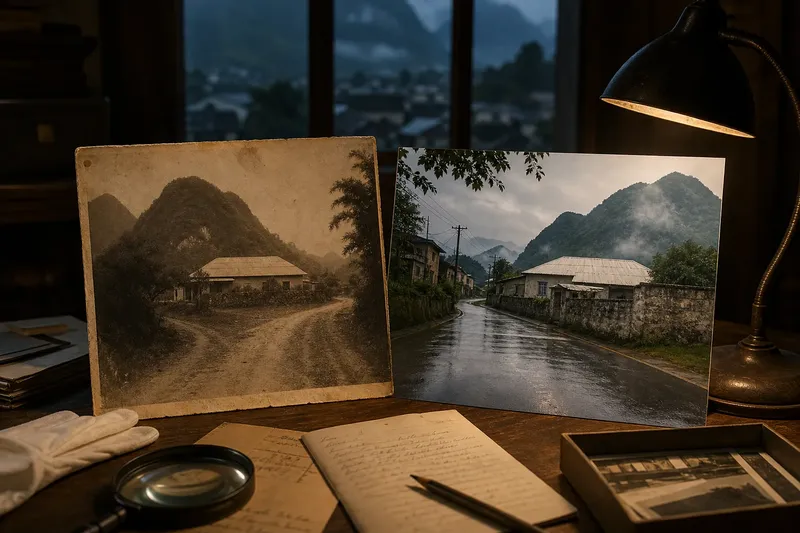
- Check for a date in the image record; if a date is documented, include it, and if not, omit a guessed year rather than infer one from appearance.
- Check whether a source links the name to a local feature; if it does, identify that source in the surrounding text, and if it does not, call the connection an interpretation or leave it out.
- Check what the photograph actually shows; if the sign and landscape are both visible, describe their relation in the frame, and if one is absent, do not imply that the image records it.
- Check whether a translation preserves the original name; if it does, retain the original alongside the translation where useful, and if the wording is uncertain, mark it as provisional or seek a fluent speaker familiar with the context.
How should names be read?
Does a casino name prove local history?
No: a name can suggest a connection, but it does not establish one. Look for a source that explains the naming and distinguish that evidence from the impression created by the wording.
How should a translated name appear?
Keep the original spelling when it matters to identification, then give a translation or explanation without replacing the name outright. If the meaning depends on local usage, consult a fluent speaker familiar with that context.
What belongs in a photograph caption?
Start with what can be identified: the sign, the visible surroundings, and any supported place or date. Add a symbolic reading only as an interpretation, not as a fact supplied by the image.
A worked caption
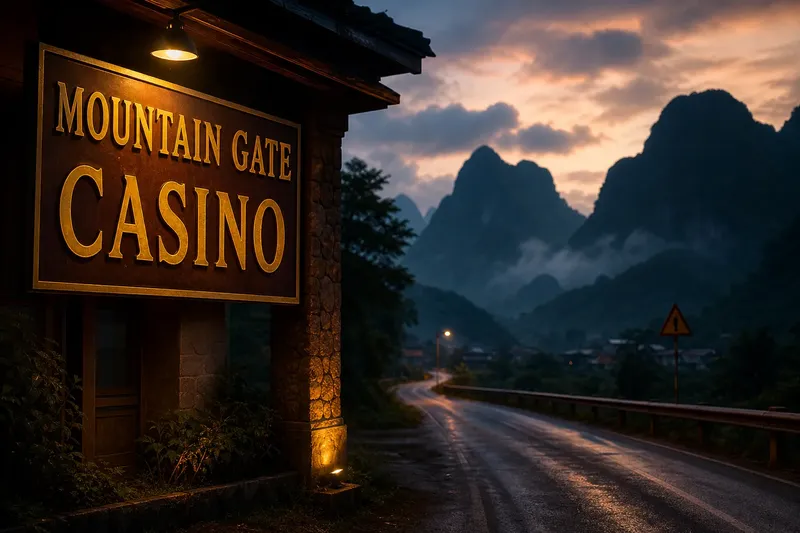
Say you are editing an invented photograph with a sign reading “Mountain Gate Casino” and a road visible behind it. The starting inputs are the sign’s exact English wording, the road in the frame and no verified location or date; first, transcribe the sign, then describe the road without naming it, and finally check the image record for place and date.
If that record confirms a location but gives no date, the resulting caption can name the confirmed place and omit the date. If it confirms neither, the decision is to caption only the sign and visible road; the phrase “Mountain Gate” may suggest an entrance to the landscape, but that remains a reading of the name, not proof of its origin.
Writing about place
Casino names in Hà Giang are most useful to a writer when treated as a meeting point between language, geography and visual memory. Preserve the wording, state what supports the location, and let readers see where the record ends and interpretation begins.
That small discipline also leaves room for better questions: who chose the name, which audiences were meant to recognise it, and how does it sit beside the place’s own names? A sign may open the story, but the surrounding landscape and its documented voices give the account its bearings.