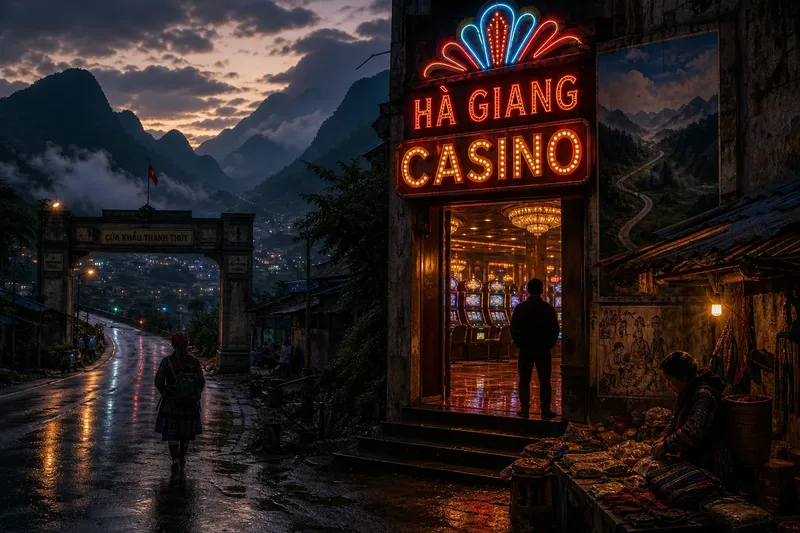
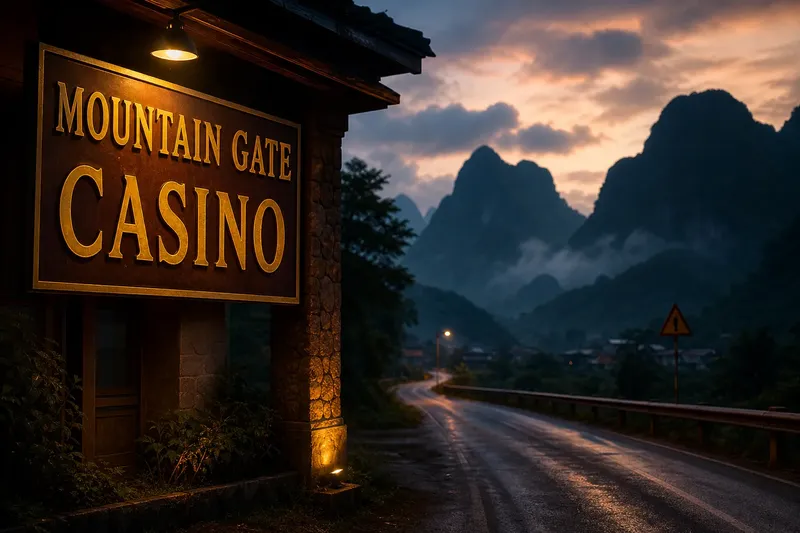
Reading Casino Culture in Hà Giang Through Public Memory
Read casino culture in Hà Giang through public memory: see how borderland histories, local names and artistic choices shape the story a community encounters.
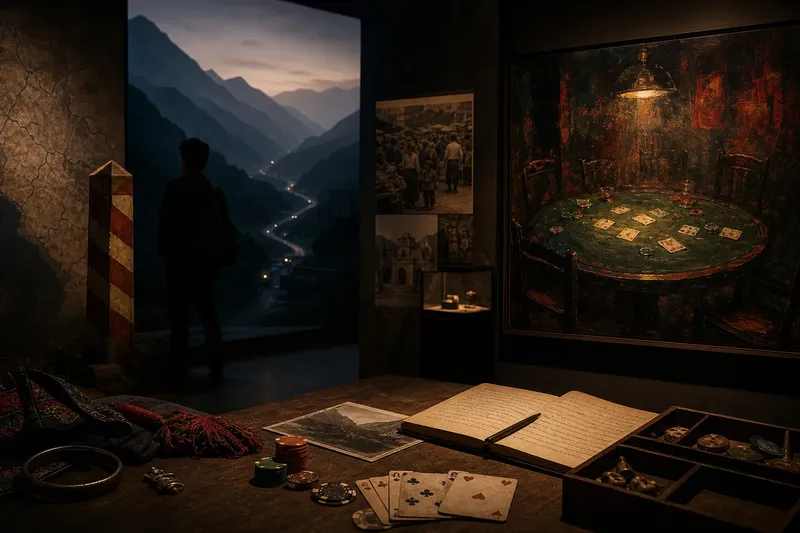
What story does a Hà Giang exhibition tell about casinos—and whose story is it? Casino culture in Hà Giang can appear in art as a place-based subject, a borderland memory or a symbol chosen by an artist; each framing has different implications for what visitors take away.
Casino culture as subject
The word “casino” can point to a venue, an idea of chance, or a motif used to discuss money, movement and aspiration. In an artwork or cultural programme, it may be a literal reference or a metaphor. The surrounding text and the artist’s own explanation matter: without them, a viewer should not treat a visual suggestion as evidence of a specific local history.
That distinction is especially useful when an exhibition uses the language of gambling to evoke risk or fortune. Ask whether the work documents a particular place or instead uses casino imagery to explore a broader theme. A careful account keeps those possibilities open until the source clarifies them.
Borderland histories
Hà Giang is a province in Vietnam’s northern border region. The word “borderland” can draw attention to how a place is understood in relation to boundaries and movement, but it should not become a shortcut that makes local life seem mysterious or interchangeable with other frontier settings.
When a cultural account connects casino culture to borderland history, look for the connection it actually states. Does it name a historical period, a route, a community or an individual recollection? If it offers only atmosphere, describe that as an artistic framing rather than filling in a history the work does not provide.
Names and local context
Place names help readers understand where a story is set, but a name alone cannot explain who uses a place or what it means to them. Notice whether a source identifies a specific location, uses “Hà Giang” broadly, or explains local terminology. Keep the source’s wording distinct from your own interpretation.
Language choices also shape the account. If a text translates a local term, check whether it explains the translation or gives the original wording. When it does not, describe the gap plainly rather than guessing what a speaker intended.
Artistic framing
Art can make casino culture visible through objects, gestures, colour, sound or the arrangement of a room. Those choices may prompt questions about chance, desire or power, but interpretation belongs to the work and its viewers; it is not automatically a record of events.
For a reader or curator, the useful distinction is between what an artwork shows, what its maker says it means and what an audience infers. A catalogue can help explain that relationship, but its language should not be mistaken for the only possible reading.
Questions readers ask?
Does casino culture mean gambling in Hà Giang?
Not necessarily. In an artwork or exhibition, the phrase may refer to gambling, a particular place, or a symbolic idea; use the source’s own explanation before choosing among those meanings.
Why describe Hà Giang as a borderland?
The term can foreground the province’s location in northern Vietnam and the way boundaries shape a cultural account. It should not be used to imply a single, timeless identity for the people who live there.
How should I describe a casino reference in art?
State what is visibly present and then identify any meaning the artist or exhibition assigns to it. If no explanation is supplied, call the connection an interpretation rather than presenting it as documented local history.
What if an exhibition gives little context?
Describe the information it does provide and name what remains unclear, such as the location, speaker or historical link. Do not fill those gaps with assumptions about residents or the province.
A worked reading
Imagine a fictional gallery label with these starting details: it names “Hà Giang” but no town, shows one painted card table, and calls the scene “a wager on the future” without naming a speaker. First, record the location exactly as given: “Hà Giang”; the decision is to avoid identifying a more precise setting. Next, describe the visible object as a painted card table; the decision is to treat it as an image, not proof of a casino venue.
Then copy “a wager on the future” as the label’s interpretation and note that its author is unnamed. The resulting account is specific: the label uses casino-related imagery to suggest risk, while leaving the scene’s location and the phrase’s authorship unresolved. That reading preserves the artistic idea without turning it into a claim about local history.
Evidence and decisions
When writing about an exhibition, check the source itself and decide how far its evidence allows you to go:
- Observe whether the text names a town or only Hà Giang; if it gives a town, use that name, but if it gives only the province, do not add a more precise location.
- Observe whether the casino reference is literal or metaphorical in the source; if the source explains it as a metaphor, describe the symbolism, but if it identifies a venue, retain that distinction and seek supporting context before making historical claims.
- Observe whether a speaker is named beside a quotation; if the speaker is identified, attribute the words to that person, but if not, call the passage unattributed rather than assigning it to residents.
- Observe whether the artist explains the work’s meaning; if an explanation is provided, present it as the artist’s account, but if none appears, describe your reading as an interpretation.
- Observe whether a date or historical period is stated; if it is, keep the claim within that stated period, but if it is absent, avoid assigning the work to a particular moment.
- Observe whether the label connects a borderland history to casino culture; if it explains the link, report the stated connection, but if it relies on atmosphere alone, describe the atmosphere without treating it as historical evidence.
- Observe whether translated local language is explained; if the source gives both the wording and its translation, retain them together, but if it gives only a translation, note that the original term is not supplied.
Keeping context open
Casino culture in Hà Giang is best discussed with a clear distinction between place, history and artistic choice. When a source leaves those connections open, say so: that restraint gives readers a more accurate account of what the work offers and where further context is still needed.